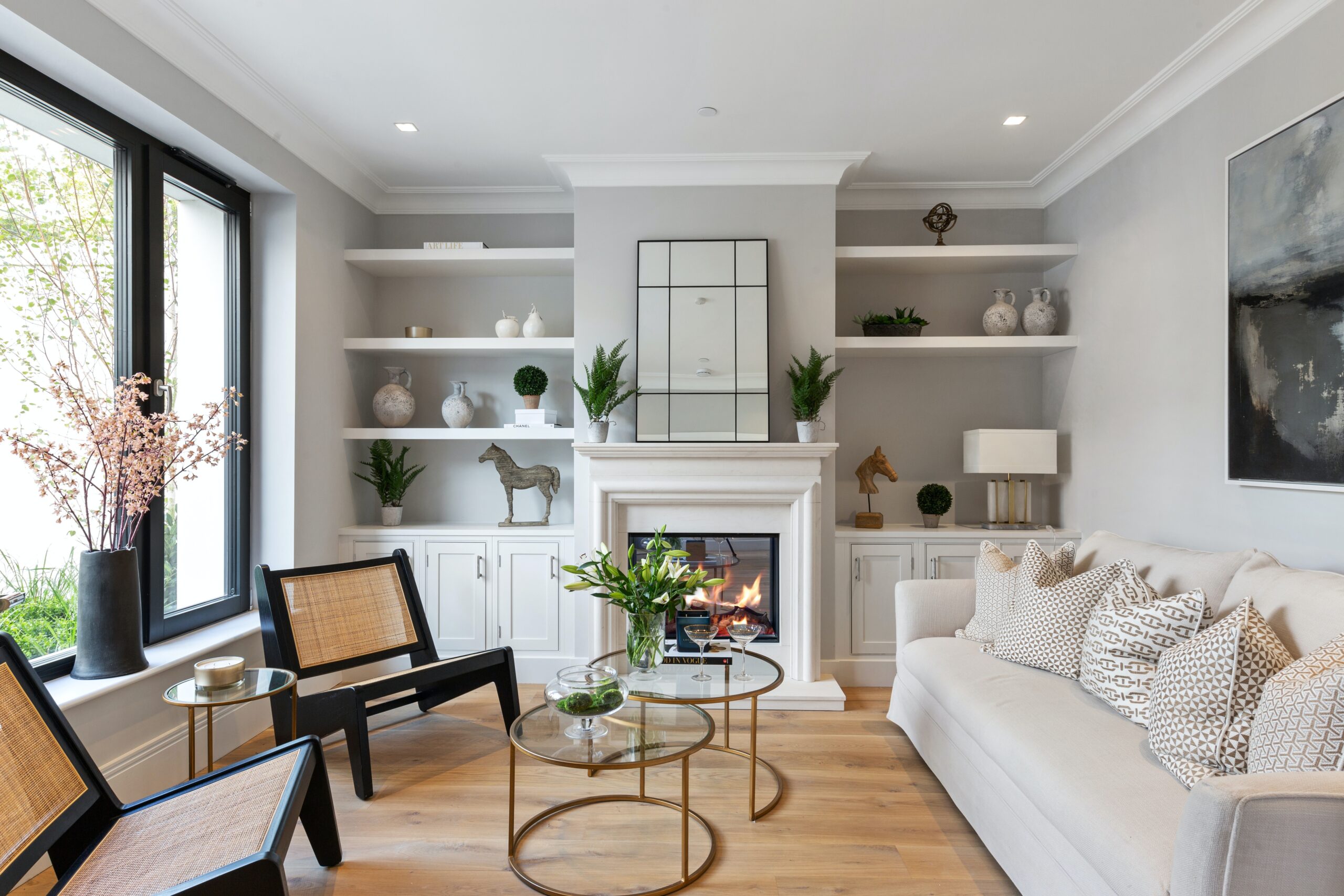
Mixing patterns and textures to Create visual interest in your renovation design
When it comes to renovating your living space, there’s more to design than just choosing colors and furniture. One powerful tool that can transform your space is the strategic use of patterns and textures.
By mixing and matching different elements, you can create visual interest, add depth, and make your space truly unique. In this blog post, we’ll explore the art of mixing patterns and textures and provide you with practical tips to incorporate this design technique into your renovation project.
Understanding Patterns and Textures: Before diving into the world of pattern and texture mixing, it’s important to understand the basics. Patterns refer to the repeated decorative motifs on surfaces, such as stripes, florals, geometrics, or abstract designs. On the other hand, textures are the tactile quality of a surface, which can be smooth, rough, glossy, or matte. Combining these elements can bring a dynamic dimension to your space.
Start with a Neutral Base: When experimenting with patterns and textures, it’s often best to begin with a neutral base. Choose a neutral color palette for your walls, flooring, and larger furniture pieces. Neutrals like whites, grays, or beiges provide a versatile backdrop that allows patterns and textures to shine without overwhelming the space.
Mixing Scale and Proportion: To achieve a harmonious balance, consider mixing patterns of different scales and proportions. Pair large-scale patterns, such as oversized florals or bold stripes, with smaller-scale patterns like polka dots or herringbone. This contrast creates visual interest while maintaining a cohesive look.
Cohesive Color Palette: While mixing patterns and textures, it’s essential to maintain a cohesive color palette. Choose a dominant color and incorporate it into each pattern or texture you introduce. This color consistency will tie the various elements together and create a unified design. Don’t be afraid to experiment with different shades and tones within your chosen color palette.
Layering Textures: Layering textures is an excellent way to add depth and dimension to your space. Combine rough and smooth textures, such as pairing a plush velvet sofa with a sleek glass coffee table. Mix organic textures like wood or natural fibers with more industrial materials like metal or concrete. The interplay of textures will create a visually engaging environment.
Focal Points and Accent Pieces: Identify focal points in your space and use patterns and textures strategically to draw attention to them. Whether it’s a statement wall, a fireplace, or a unique architectural feature, select patterns and textures that enhance the focal point and make it stand out. Additionally, incorporate accent pieces like patterned throw pillows, rugs, or curtains to introduce pops of pattern into the overall design.
Experiment with Patterns: Mixing patterns doesn’t have to be limited to just two or three. Feel free to experiment with multiple patterns to create a vibrant and eclectic look. Consider a combination of geometric patterns, stripes, and florals, but be sure to balance them with solid colors and neutrals to avoid overwhelming the space.
To see examples of our work, check out our featured projects, here.
Looking to increase your home price before you sell? Check out our home sale prep solutions, here.
Conclusion:
Mixing patterns and textures is an exciting way to add visual interest and personality to your renovation design. By understanding the fundamentals, experimenting with scale, proportion, and color, and layering textures, you can create a space that truly reflects your style. Remember to maintain a cohesive color palette and identify focal points to ensure a balanced and visually appealing result. So go ahead, embrace your creativity, and let patterns and textures elevate your renovation project to new heights!